

Introduction: A World Moved by Music
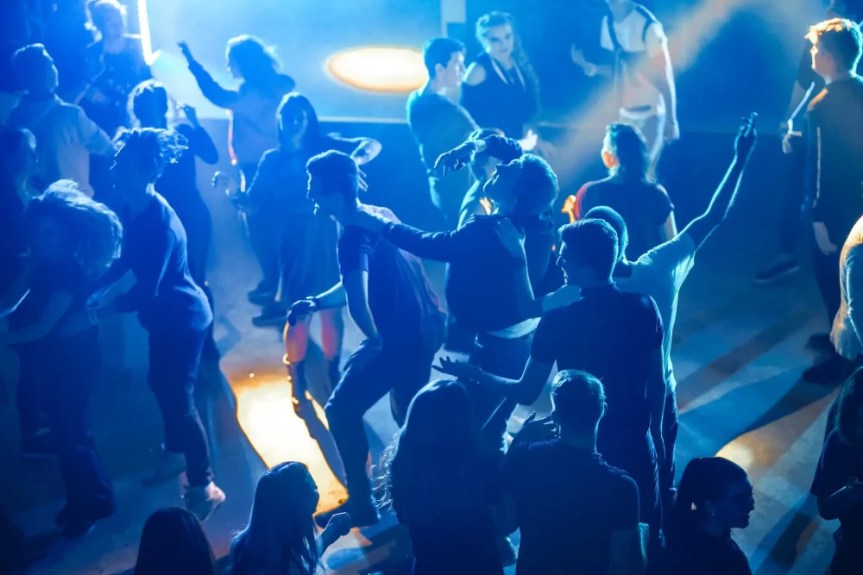
As dusk falls and neon lights flicker to life, clubs across the world begin to hum with anticipation. The bassline drops, the beat pulses through the walls, and a crowd of bodies begins to move as one. This is the domain of club dance—an electrifying blend of self-expression, rhythm, and shared experience. It’s not choreographed. It’s not staged. It’s raw, visceral, and profoundly liberating.
More than a pastime or nightlife ritual, club dance is an art form—fluid, spontaneous, and shaped by its cultural context. It exists at the intersection of music, identity, and freedom, evolving with every generation and track.
The Roots of Club Dance: Movement Born from Community
To understand the essence of club dance, we must first trace its lineage. The story begins not in the glittering clubs of today, but in the underground venues of cities like New York, Chicago, and Detroit during the 1970s and ’80s.
Emerging from disco and later house and techno music scenes, club dance found a home in spaces created by marginalized communities—particularly Black, Latinx, and LGBTQ+ populations. These early dance floors were sanctuaries where identity could be explored without fear and where music offered both release and rebellion.
Foundational Influences:
-
Disco: Defined by flamboyant flair and joyful motion, disco dancing laid the emotional groundwork for club culture.
-
House Dance: Rooted in Chicago’s underground scene, this style emphasized footwork, groove, and improvisation.
-
Voguing and Waacking: Developed in queer spaces, these expressive styles brought storytelling, angularity, and attitude to the dance floor.
The unifying thread? Freedom—of body, of identity, of spirit.
The Anatomy of Club Dance: Style Without Rules
Unlike formal dance styles with set techniques, club dance is delightfully unstructured. It welcomes experimentation and celebrates individuality. Whether you’re executing intricate footwork or simply swaying with the beat, there are no wrong moves—only honest ones.
What Defines Club Dance:
-
Improvisational Flow: Dancers respond to the music moment by moment, interpreting rhythm and mood intuitively.
-
Emotional Expression: Club dance is often a release valve for tension, joy, sadness, or ecstasy. It’s as much about feeling as it is about movement.
-
Collective Energy: Though often danced solo, club dance thrives on the shared electricity of a crowd moving in unison or rhythmically apart.
In this environment, each dancer becomes a live instrument, playing along with the DJ’s sonic narrative.
The Dance Floor as Sacred Space
Though loud and chaotic on the surface, club environments often serve as intimate, even sacred spaces. They are places where people shed inhibition, explore their identities, and connect without words. In a society that often demands conformity, the dance floor becomes one of the few places where authenticity is not just allowed—it’s celebrated.
Why Club Dance Matters:
-
Psychological Release: Movement to music is deeply therapeutic. It lowers stress, releases endorphins, and creates a meditative focus.
-
Social Cohesion: Dancing in a club builds unspoken connections. Eye contact, synchronized movement, and shared tempo forge temporary yet meaningful bonds.
-
Cultural Expression: From clothing to gestures to musical preferences, club dancing reflects the cultural fabric of its time and place.
In essence, the club becomes a living artwork, painted in rhythm and shadow, where dancers are both canvas and brush.
Evolution of the Style: Then and Now
Over the decades, club dance has undergone a remarkable transformation. While its core essence remains the same—freedom of movement, emotional authenticity—its aesthetics and influences have expanded exponentially.
Modern Influences on Club Dance:
-
Globalization: Afrobeat, reggaeton, and K-pop now find their way into club playlists, influencing dance styles across continents.
-
Social Media: Platforms like TikTok have blurred the line between club dance and internet choreography. Trends born in bedrooms often echo onto dance floors.
-
Festival Culture: Large-scale music events encourage more theatrical, exaggerated expressions, often borrowing from performance art and rave aesthetics.
-
Technology: LED wearables, augmented reality, and immersive lighting environments have elevated the visual element of club dance to new heights.
Yet, despite these shifts, the soul of club dance remains untouched. It still lives in the moment, thrives in the body, and speaks through rhythm.
Learning the Language of the Floor
Contrary to what some believe, you don’t need to be a trained dancer to enjoy club dance. In fact, the lack of formal structure is what makes it so inviting. Anyone can enter the space, respond to the beat, and find their groove.
Tips for Embracing Club Dance:
-
Listen First: Let the music guide you. Find the pulse before you start to move.
-
Start Small: Even a gentle sway or head nod connects you to the rhythm.
-
Don’t Mimic, Interpret: While watching others can be inspiring, your unique interpretation is what makes your dance authentic.
-
Let Go of Self-Consciousness: The moment you stop judging yourself is the moment your dance truly begins.
-
Dress to Express: Wear what feels good. Your outfit can be a part of your performance, a visual extension of your vibe.
Dancing isn’t about impressing others. It’s about expressing yourself in a way only your body can.
Conclusion: The Silent Revolution of Movement
Club dance is far more than nightlife entertainment—it is a living, breathing art form that captures the human desire to connect, to feel, and to be seen. In a world often fixated on productivity and image, dancing offers something radically simple yet profound: presence.
Each beat invites us to forget time, drop pretenses, and remember who we are—not through words, but through movement. Whether you find yourself beneath strobe lights in Berlin or at a local club in your hometown, the invitation is the same.
Step onto the floor, surrender to the rhythm, and let your body speak.

 Entertain Waves Music