

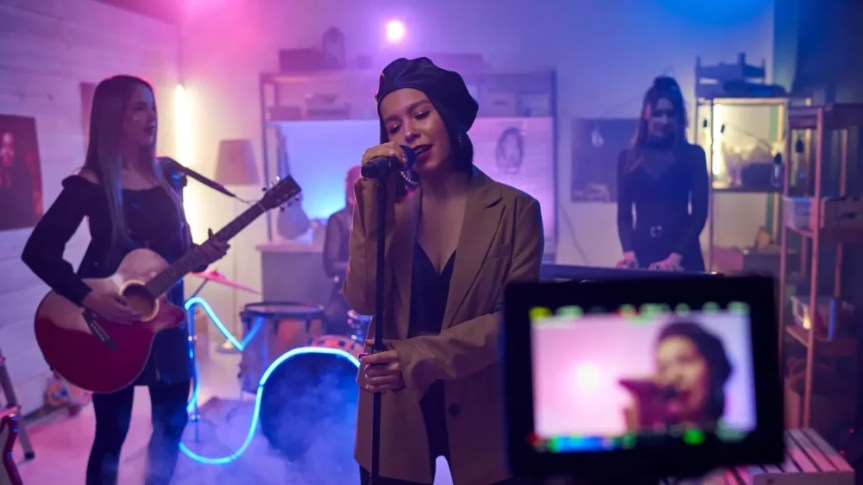
Introduction: Where Sound Meets Sight
Music, by its very essence, stirs emotion, evokes memories, and tells stories that transcend language. But when paired with video, it evolves into something far greater—a rich, immersive experience that captures the heart and mind. In the contemporary digital age, music and videos have become intrinsically linked, transforming not just how we consume art, but how we feel it, share it, and remember it.
Whether it’s the hypnotic visuals of a music video on YouTube or the punchy energy of a 15-second TikTok clip, the symbiosis of audio and video is redefining entertainment. This fusion isn’t merely aesthetic; it’s strategic, emotional, and deeply cultural. Together, music and video form a storytelling duo with the power to influence trends, shape identities, and shift perceptions.
A Brief History: The Origins of a Multimedia Romance
The partnership between music and video didn’t happen overnight. Its origins are layered, stretching across decades of innovation and experimentation.
Key milestones in the evolution of music videos:
-
Early 20th Century: Silent films were often accompanied by live music to enhance emotion and guide narrative.
-
1960s–70s: Artists like Bob Dylan and Queen created promotional film clips, early precursors to the modern music video.
-
1981 – The MTV Era Begins: With the iconic broadcast of “Video Killed the Radio Star,” MTV launched the music video into mainstream consciousness.
-
1990s: Music videos became grand productions. Directors like Mark Romanek and Hype Williams transformed them into mini-movies.
-
2005–Present: YouTube and social media democratized access, making video creation and distribution accessible to all.
This historical journey marks the transition of music from a solely auditory experience to a richly visual art form with global reach.
The Power of Visuals in Amplifying Music
A song can be powerful on its own, but a well-executed video adds layers of interpretation, symbolism, and emotion. The visuals give context to sound, turning a melody into a narrative, a lyric into a moment.
How videos enhance musical storytelling:
-
Visual Metaphor: Imagery can expand or reinterpret a song’s message, offering deeper insight or alternative meanings.
-
Emotional Context: Videos align tone, color, and movement with the music’s mood, reinforcing its emotional impact.
-
Iconic Imagery: Memorable scenes, dances, or costumes can become cultural touchstones that outlast the music itself.
-
Reinforcement of Brand: For artists, visuals are tools to craft a recognizable identity, from fashion choices to recurring thematic elements.
This amplification isn’t limited to established artists. Even emerging talents now use music videos as vital tools for artistic expression and audience engagement.
Music Videos as Tools of Cultural Expression
In many ways, music videos act as cultural mirrors, reflecting societal issues, generational perspectives, and political movements. Through this lens, they are more than just entertainment—they’re statements.
Themes often explored in music videos:
-
Social Justice: Videos like Childish Gambino’s This Is America challenge viewers to confront racial inequality and gun violence.
-
Gender & Identity: Artists such as Sam Smith and Janelle Monáe use video to explore non-binary identity and gender fluidity.
-
Globalization: Cross-cultural collaborations, like BTS featuring Halsey, showcase how music videos bridge linguistic and cultural divides.
These thematic explorations prove that visuals don’t just support music—they can deepen its relevance and meaning in powerful ways.
The Rise of Short-Form Videos: Speed, Style, and Virality
Traditional music videos are no longer the only format in play. The rise of TikTok, Instagram Reels, and YouTube Shorts has ushered in a new wave of short-form music-related content. These platforms favor speed, simplicity, and shareability over grandeur.
Why short-form content is dominating the music-video space:
-
Low Barrier to Entry: Anyone with a smartphone can participate, remix, and share.
-
Algorithmic Amplification: Platforms push trending content, giving songs rapid exposure.
-
Audience Participation: Fans create their own versions of videos, making them collaborators in an artist’s success.
-
Musical Snippets Matter: A 10-second clip can carry more influence than a full-length single in today’s viral-driven landscape.
Songs like Lil Nas X’s Old Town Road and Doja Cat’s Say So owe much of their success to TikTok’s viral magic—where visuals and sound work in perfect synergy to ignite global trends.
Challenges of Visual Dependency in Music
As with any artistic medium, the increasing reliance on visuals in music isn’t without its drawbacks. The push for virality, aesthetic perfection, and constant visibility can place tremendous pressure on creators.
Potential concerns in the music-video ecosystem:
-
Artistic Overshadowing: Flashy visuals may eclipse the musical content, diluting the listener’s connection to the sound itself.
-
Financial Burden: High-quality video production can be prohibitively expensive for independent artists.
-
Short Attention Spans: With the demand for constant novelty, artists may struggle to hold audience attention beyond one viral moment.
-
Algorithm Anxiety: Many artists feel compelled to tailor their creativity to platform trends, sometimes at the cost of authenticity.
Despite these challenges, the best artists manage to strike a balance—delivering visuals that serve the music, not distract from it.
Looking Ahead: The Future of Music and Video
As technology evolves, so too does the potential for music videos. What once required a film crew can now be crafted using artificial intelligence, augmented reality, and real-time rendering.
Emerging trends shaping the future of music and video:
-
Virtual Reality Concerts: Fans can experience immersive performances without leaving their homes.
-
Interactive Music Videos: Viewers can choose alternate storylines, endings, or camera perspectives.
-
AI-Created Visuals: Tools like Runway and Sora are enabling artists to generate stunning video content with minimal resources.
-
NFT Music Videos: Blockchain technology is turning videos into digital collectibles with unique ownership rights.
These innovations point toward a future where the fusion of music and video becomes even more intimate, personalized, and boundary-breaking.
Conclusion: A Duet for the Ages
The marriage of music and video has redefined the way we engage with art, culture, and emotion. It is a partnership built on rhythm and rhythm’s reflection, melody and movement, harmony and hue. Together, they create experiences that linger far beyond the moment—a memory etched in sound and sealed in image.
As the lines between artist and audience, performance and participation continue to blur, music and videos will remain at the heart of creative evolution. They don’t just entertain us; they move us, visually and sonically, to see the world—and ourselves—a little differently.


