

Introduction: The Pulse of the Human Spirit
Entertainment is often described as escapism, a way to unwind or momentarily forget the weight of reality. Yet, that definition barely scratches the surface. True entertainment transcends distraction; it is both a mirror and a map—reflecting the zeitgeist of an era while guiding us toward new ideas, emotions, and collective experiences. It is found not only in the dazzle of a Broadway show or the climax of a blockbuster film but also in the subtle humor of a novel, the rhythm of a song, or the immersive pull of a well-crafted video game. In essence, entertainment is the pulse of the human spirit—endlessly expressive, deeply connective, and profoundly influential.
The Historical Evolution of Entertainment
The journey of entertainment is as old as civilization itself. What once began as ritualistic storytelling around a fire has evolved into a multi-trillion-dollar industry that touches nearly every aspect of our lives.
From Tribal Drums to Royal Stages
-
In prehistoric times, entertainment was communal and oral, centered around dance, song, and myth-telling, designed not just to amuse but to pass down history and values.
-
The ancient Greeks formalized performance with tragedy and comedy, setting the foundation for modern theatre.
-
During the Middle Ages, minstrels, jesters, and courtly performances offered the nobility entertainment that was both informative and indulgent.
The Printing Press and the Rise of the Written Word
-
The invention of the printing press in the 15th century revolutionized entertainment, making literature accessible to the masses.
-
Plays, poems, novels, and satirical writings began to circulate widely, shaping public opinion and literary culture.
Industrial Revolution and the Birth of Mass Entertainment
-
The 19th and 20th centuries brought an explosion of new forms: cinema, radio, recorded music, and eventually television.
-
These innovations allowed for simultaneous, widespread consumption, giving rise to global celebrities and shared cultural touchstones.
The Spectrum of Modern Entertainment
Today’s entertainment is a kaleidoscope of genres, platforms, and experiences. It is not confined to a screen or stage but sprawls across the digital, physical, and virtual worlds.
Visual and Performing Arts
-
Films, television, and theatre continue to be dominant forms of storytelling, capable of influencing social change and shaping discourse.
-
Visual storytelling has grown more sophisticated, with high-definition visuals, CGI, and cinematic universes creating immersive experiences.
Music: The Universal Language
-
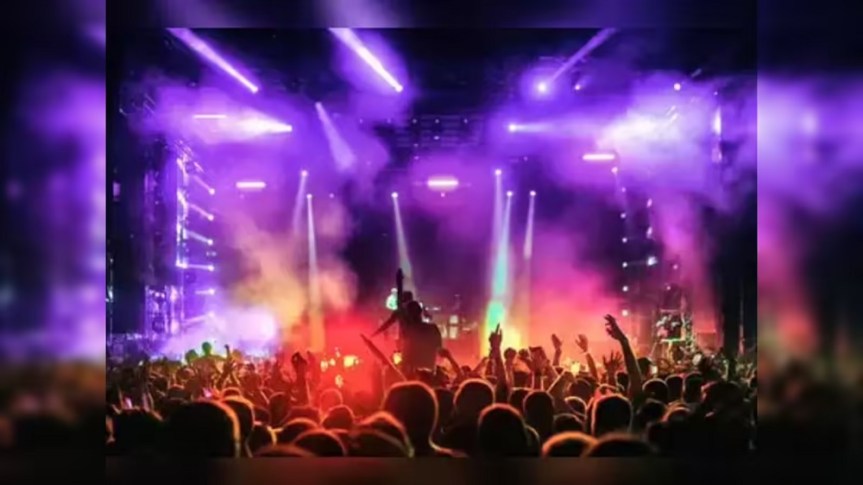
From live concerts to streaming playlists, music remains one of the most emotionally resonant forms of entertainment.
-
Genres continuously blend, and artists collaborate across borders, making music both global and deeply personal.
Interactive Entertainment
-
The rise of video games, virtual reality, and augmented reality has revolutionized engagement by offering participatory storytelling.
-
Gaming, once relegated to niche communities, now rivals film and television in both revenue and cultural influence.
Social Media and Influencer Culture
-
Platforms like YouTube, TikTok, and Instagram have redefined entertainment by democratizing content creation.
-
Everyday individuals can become entertainers, building massive followings and reshaping celebrity culture.
The Role of Entertainment in Society
Beyond enjoyment, entertainment holds profound power to educate, challenge, and unite. Its influence permeates how we think, feel, and even how we vote.
Shaping Identity and Belonging
-
Representation in media helps individuals see themselves reflected and validated, fostering a sense of identity and belonging.
-
Entertainment can also serve as an introduction to other cultures, broadening perspectives and reducing prejudice.
Social Commentary and Activism
-
Satire, film, and music have long been tools for social critique—addressing topics like injustice, inequality, and environmental issues.
-
Documentaries, political dramas, and protest art all straddle the line between entertainment and activism.
Healing and Catharsis
-
Comedy provides relief in times of hardship, while drama allows us to process grief, loss, or trauma in a safe, reflective way.
-
During crises such as the global pandemic, entertainment offered a vital emotional anchor for millions.
Current Trends Redefining Entertainment
In an age of rapid change, the entertainment industry continues to adapt, often predicting or responding to shifts in technology, culture, and human behavior.
Personalized and On-Demand Experiences
-
Streaming services offer algorithm-curated content, tailoring entertainment to individual preferences.
-
While this creates more engagement, it also raises questions about echo chambers and narrowing tastes.
Blurring of Boundaries
-
Hybrids of media—such as interactive films, live-streamed theatre, or virtual concerts—challenge conventional formats.
-
The “event” nature of entertainment is shifting from the physical to the digital, with shared experiences increasingly happening online.
Inclusivity and Diversity
-
Audiences are demanding more diverse stories, told by voices from all backgrounds.
-
Authentic representation is no longer optional—it is essential for relevance and resonance.
Sustainable and Ethical Entertainment
-
The industry is becoming more conscious of its environmental impact and ethical responsibilities.
-
Viewers are also increasingly evaluating content for social responsibility, inclusivity, and transparency.
The Future of Entertainment
As technology continues to evolve, the entertainment landscape will be shaped by innovations we can barely imagine today. Artificial intelligence, immersive worlds, and hyper-personalized content will redefine how we engage with stories and one another.
-
AI-Generated Content: From music composition to screenwriting, AI is entering the creative space, raising new questions about originality and human touch.
-
Metaverse and Extended Reality: Entertainment in virtual environments may become more commonplace, changing how we perceive space, presence, and interaction.
-
Global Storytelling: Cultural boundaries will continue to fade as global platforms prioritize multilingual, cross-border productions.
Conclusion: Entertainment as a Cultural Compass
Entertainment is far more than a leisure activity—it is a cultural compass, a societal diary, and a vessel for emotion, education, and transformation. In its many forms, it allows us to confront our fears, celebrate our joys, and connect with our shared humanity. As we continue to innovate and evolve, the power of entertainment lies not merely in its ability to amuse, but in its capacity to inspire, challenge, and unite us all.


